Side Hustle Opportunities That Fit a Remote Work Life
Where to Start When You Want More Than a Paycheck
I remember the Tuesday I decided I needed a side hustle. I was sitting in my home office, which is also my dining room, staring at a spreadsheet that showed exactly how far my salary would stretch that month. It wasn't enough. Like many people who moved to remote work during the pandemic, I had the time and the tools, but I had no idea which of the many side hustle opportunities would actually suit my skills and my schedule.
The good news is that the barrier to entry has never been lower. You can start a freelance writing career with a laptop and a free Canva account for basic portfolio pieces. You can sell digital products on Etsy without holding any inventory. You can even teach a course on Udemy after you've solved a problem a few hundred times yourself. The real challenge is not finding options; it's filtering out the noise and choosing something you can sustain.
Freelancing: The Fastest On-Ramp
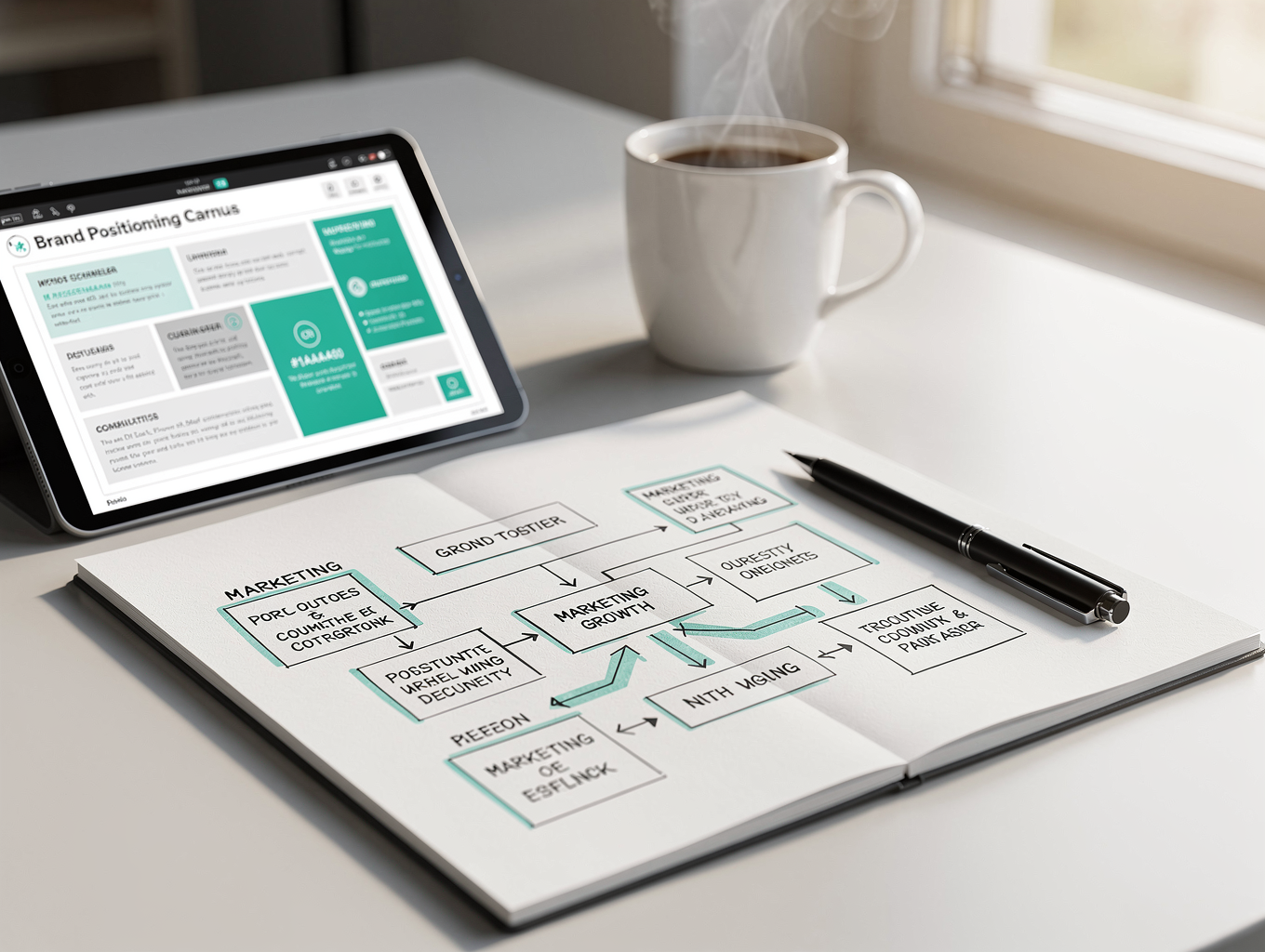
If you want to earn money within a week, freelancing is usually the quickest route. Platforms like Upwork and Fiverr connect you with clients who need specific tasks done, from writing blog posts to designing logos to setting up automation in Trello. The key is to start narrow. Instead of saying you do "social media marketing," say you help local restaurants schedule posts and respond to reviews. That specificity makes you look credible even when you're just beginning.
I started with SEO audits for small business websites. I charged fifty dollars per audit, which took me about three hours. The work was repetitive, but it taught me how to spot common mistakes and explain them in plain language. After a few months, I raised my rates and moved to content marketing strategy, which paid better and felt more interesting. The lesson is simple: use your first gigs to learn what you tolerate and what you genuinely enjoy.
Freelancing also gives you a taste of remote work without the commitment of a full-time job. You can accept a project on Upwork while still employed, then decide later if you want to take on more. That flexibility is one of the main reasons people consider these side hustle opportunities in the first place.
E-Commerce Without the Warehouse
Dropshipping and print-on-demand get a lot of hype, and much of that hype is exaggerated. But the core idea is sound: you can sell products without buying inventory upfront. With Shopify, you can set up a store in an afternoon. For print-on-demand, you upload designs to a service that prints and ships them when a customer orders. Your job is to find a niche and market it well.
The catch is that competition is fierce. Anyone can create a shirt with a funny slogan, but few people take the time to research what specific audiences actually want. I once saw a store that sold cat-themed mugs and did surprisingly well because the owner wrote copy that made cat owners laugh. That kind of personality is hard to copy, and it matters more than the product itself.
Amazon is another route, especially if you want to sell physical products. You can use Fulfillment by Amazon to handle storage and shipping, but you still need to manage sourcing and quality control. The upfront costs are higher than print-on-demand, and the margins can be thin. If you're patient, though, it can become a steady income stream that runs mostly on its own.
Affiliate Marketing and Digital Products
Affiliate marketing is one of the more passive side hustle opportunities, but it's not as easy as "write a review and collect checks." You need an audience that trusts you, which takes time to build. A blog or YouTube channel focused on a specific interest, like budget travel or home fitness, can generate affiliate income through links to products you recommend. The trick is to be honest about what you use and what you don't.
Digital products are a natural extension of freelance work. If you've created a spreadsheet that helps you track client projects, you can turn it into a template and sell it on Etsy or Gumroad. If you've recorded a workshop for your own clients, you can repurpose it as a Udemy course. The upfront effort is significant, but the payoff is that you create something once and sell it many times.
I know a designer who sells Canva templates for resumes and cover letters. She makes a few hundred dollars a month from that alone, and it takes almost no time after the initial setup. The key is to solve a specific problem that people are actively searching for. That's what separates a product that sells from one that just sits in your online shop.
Tools That Keep You Sane
Running a side hustle alongside a full-time job means you need systems. Trello is my go-to for tracking client work and deadlines. I use Google Workspace for email and documents, and Zoom for client calls when they're necessary. PayPal and Stripe handle payments, and they both integrate with most platforms, so you don't have to chase invoices manually.
You also need to protect your time. Set specific hours for side work, and use a timer if you have to. I've found that 90 focused minutes in the morning is worth more than three hours of distracted evening work. And when you're just starting, don't spend money on expensive tools. Use free versions until you know what you actually need.
The Trade-Offs Nobody Talks About
Every side hustle has hidden costs. Freelancing means you're always hunting for the next project. Dropshipping means you're responsible for customer service even when you're on vacation. Affiliate marketing means you're constantly creating content to stay relevant. None of these are deal-breakers, but you should go in with your eyes open.
There's also the risk of burnout. I've seen people quit their side hustle after three months because they tried to do too much too fast. The smarter approach is to start with one thing, do it well for a season, and only then add another stream. That's how you build something sustainable rather than another source of stress.
Making the Choice That Fits You
When you look at the landscape of side hustle opportunities, it's easy to feel overwhelmed. But you don't have to try everything. Pick one that matches your skills and your available hours. If you're a strong writer, freelance on Upwork or start a blog with affiliate links. If you're visual, design templates for Etsy or run a print-on-demand store on Shopify. If you're analytical, offer SEO audits or build a niche dropshipping store.
And remember that your side hustle can evolve. You might start with freelance writing, discover you love creating courses, and end up selling your own curriculum on Udemy. That's fine. The point is to start somewhere and learn as you go.
For me, the biggest shift was realizing that a side hustle isn't just about the money. It's about building skills and confidence that carry over into my main job and my future. Even the projects that didn't pan out taught me something about pricing, marketing, or what I actually want to do.
So take a weekend to brainstorm, pick one idea, and give yourself permission to start small. The best time to begin was last year. The second best time is today, with a cup of coffee and a clear plan.